Struggling to get my 3D printer to communicate with my computer via USB networking. The device isn’t showing up correctly, and I can’t send any prints. Has anyone experienced this or know what troubleshooting steps I should try? Need help to resolve this connectivity problem quickly.
Been there! USB networking with 3D printers can be a finicky beast. First, double check you’re not just fighting a cable—bad USB cables or USB 3.0 vs 2.0 issues can tank connections, so swap it out and make sure you’re using a known-good port on your computer (avoid hubs if you can).
Second, drivers: A lot of printers still use weird, ancient serial-to-USB chipsets like CH340 or FTDI. If Windows/Mac/Linux isn’t showing a new COM port or device, grab the latest drivers from the manufacturer’s website or hunt down the right driver manually. If you’re on Windows, see if anything suspicious is in Device Manager (yellow bang icon, “unknown device,” etc). Reboot after installing any new drivers.
Check if your 3D printer’s firmware supports USB networking at all—many support serial over USB out of the box, but “networking” (like making your printer appear as a network device instead of a serial port) might not be a thing without custom firmware or an added Raspberry Pi/OctoPrint setup.
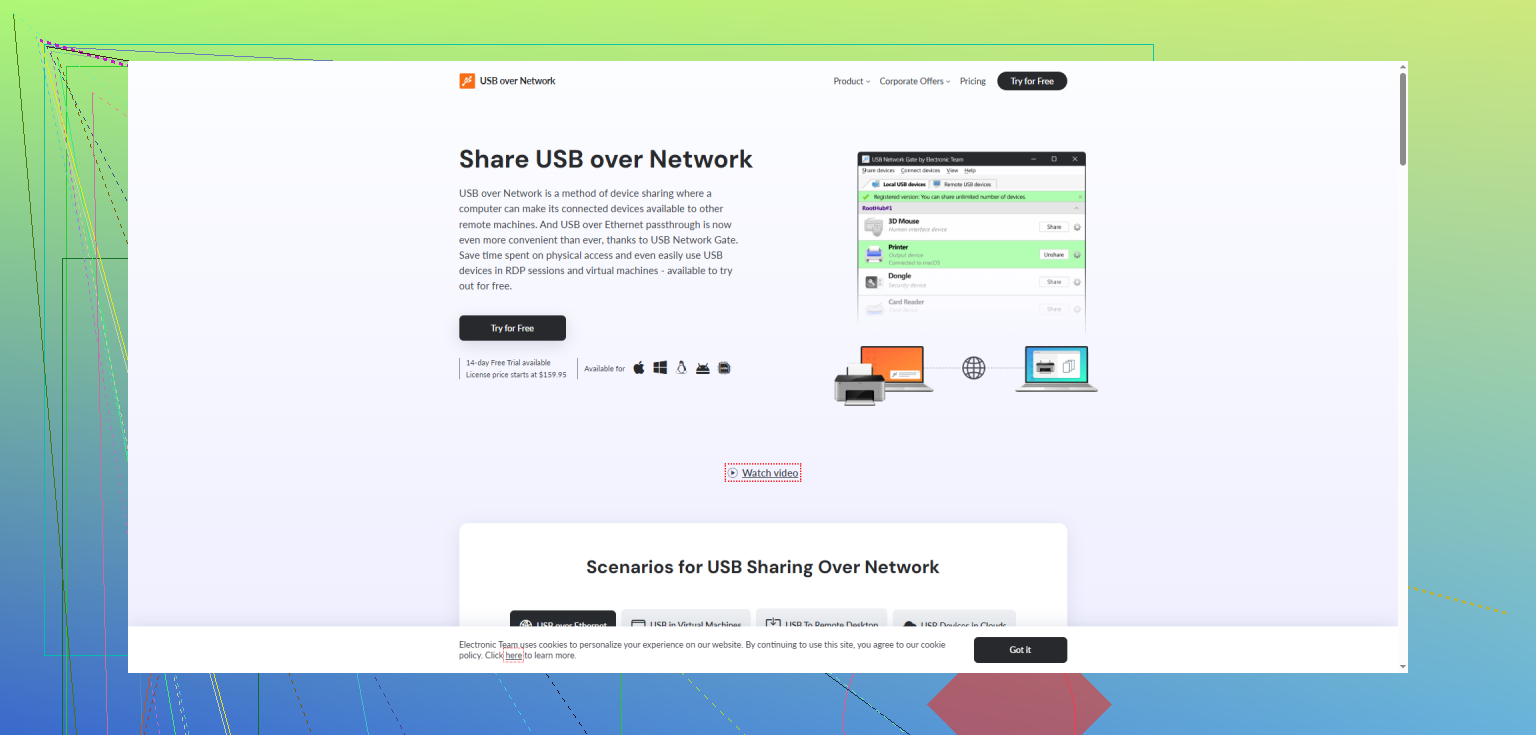
If you’re trying to access or share your 3D printer over the network (like you want to print from a machine that’s not physically plugged into the printer), definitely check out USB Network Gate. It lets you redirect your printer’s USB port across your network, so another PC can talk to the printer just as if it was plugged in locally. That comes in handy for multi-printer or multi-user setups.
For step-by-step help on making USB networking actually work in a 3D printing environment—including hardware, cables, driver fixes, tips for Windows/Mac/Linux, and common troubleshooting—take a look at this walkthrough: solve your 3D printer’s USB networking issues. Lots of nitty-gritty details.
TLDR: It’s probably a driver, cable, or port problem—troubleshoot those basics before you rage quit. And if you want true USB-over-network, consider USB Network Gate or similar software to make life easier.
Not gonna lie, USB networking with 3D printers is up there with the more arcane incantations of tech. @cazadordeestrellas dropped some solid points on drivers and cables, but I think we gotta zoom out for a sec—this ‘network over USB’ thing is NOT the same as just plugging in and printing. A lot of folks are expecting their 3D printer to magically show up as a shared device just by running a cable, when usually it’s just a serial connection—fancy networking needs something extra.
First—don’t underestimate the role of your slicing or host software. Even if the printer connects, the program (Pronterface, Cura, Repetier, OctoPrint, whatever) won’t find it if the wrong protocol or port is dialed in. And if you’re running Windows, the way it handles virtual COM ports and privileges can add a whole layer of rage. Sometimes I swear Windows assigns the same COM port to your printer AND your Arduino, then just laughs as you try to figure it out.
Second—some printers just don’t play nice with USB-over-network unless you specifically set them up with something like an OctoPrint Pi, or specialty software like USB Network Gate (absolutely recommend for making USB devices accessible over LAN/WAN, way more reliable than a hacked workaround). That lets you actually ‘share’ the USB printer over your network in a way your OS understands.
Quick and dirty checklist:
- Make sure your printer is set to ‘serial’ mode if there’s a choice in firmware (some actually can do “network gadget,” some can’t).
- Try different USB ports on your PC. Motherboard ports beat hubs every time.
- Triple-check you’re on the right baud rate and port. If you see ‘permission denied’ errors, it’s a classic sign you need to fix Unix permissions or kill off the clashing driver.
- If you want plug-and-play “print from anywhere” vibes, grab a tool like USB Network Gate (worth the price if you swap between devices a lot) or check out enhancing access to USB devices across any network for more options.
- Still dead? Try a powered USB hub—in rare cases, the Pi or PC port doesn’t juice the printer enough and it craps out silently (don’t @ me, it’s happened).
I’ll say it: Don’t expect miracles from bare cables and default firmware. A Raspberry Pi running OctoPrint is almost always a less painful way to “network” your printer if all else fails, especially for team/shared access. That said, if all you care about is genuine USB over network, skip the fiddly drivers and go straight for something made for the job, like USB Network Gate. Sometimes you throw time at a problem and it laughs in your face, but the right tool saves your sanity.
If your device isn’t showing up at all (not even as an unknown device in Device Manager), you might honestly have a dead board or busted USB port, because even the worst drivers throw some kind of error. Hope it’s just the cable tho, for real.
3 Likes
Skip USB networking. Export the sliced file as G-code, copy it to the printer’s SD or microSD card, then start the print from the printer screen.
Use a card under 32 GB, format it as FAT32, and keep filenames short, such as “part1.gcode.” Avoid spaces and symbols. If the file doesnt appear, reformat the card or try another one. This bypasses drivers, COM ports, permissions, and flaky USB links. It’s often the fastest fix, especally for one-off prints.
Calling it ‘USB networking’ is where the confusion starts. A plain USB cable gives you a serial connection, not a network device, so no amount of driver fixing turns bare USB into ‘print from anywhere.’ USB Network Gate can genuinely share that serial port over LAN if you need it, but for a single machine that’s plugged in, @jackson’s SD card route is honestly the least painful option.