ZeroGPT Review

I have to send an article to my team’s editor before the end of my shift, and our review process requires a ZeroGPT check. I wrote the draft from my own interview notes, but the result flagged passages as AI-generated. After I removed the section headings and pasted the same body text again, the result changed enough that I wasn’t sure what to report.

How should I document this for the editor without rewriting passages just to change the score? Would keeping the draft history and interview notes be useful, and is there a consistent way to check the text when formatting seems to affect the result?

And I kept the passages unchanged when moving between tools. Otherwise, I would have been comparing different inputs as well as different detectors.

Fixing the inputs

I ran the checks on October 2–3, 2026, using six English passages: an AI essay, business memo, paraphrase, fictional personal story, a Lewis Carroll excerpt, and that excerpt lightly edited by AI. Their lengths ranged from 271–328 words.

Some passages were related, and the Carroll selection was a narrow human control. I counted only completed checks. I also kept confidence, probability, and estimated AI share separate when reading the reports. Those labels did not describe the same measurement.

Working through the submissions

The generated passages produced quite different outcomes. I completed the entire set without paying or registering on the Clever AI Detector.

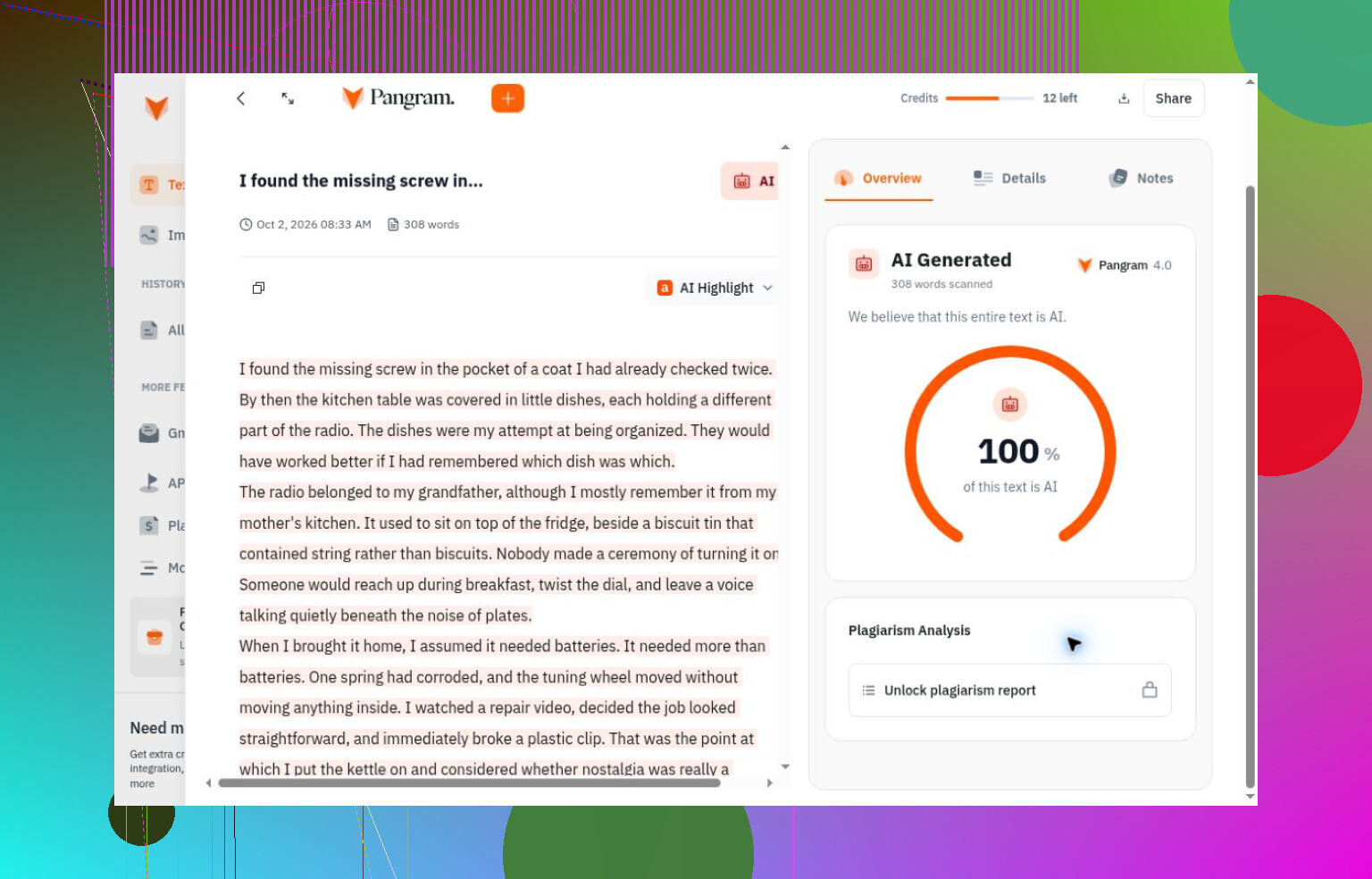
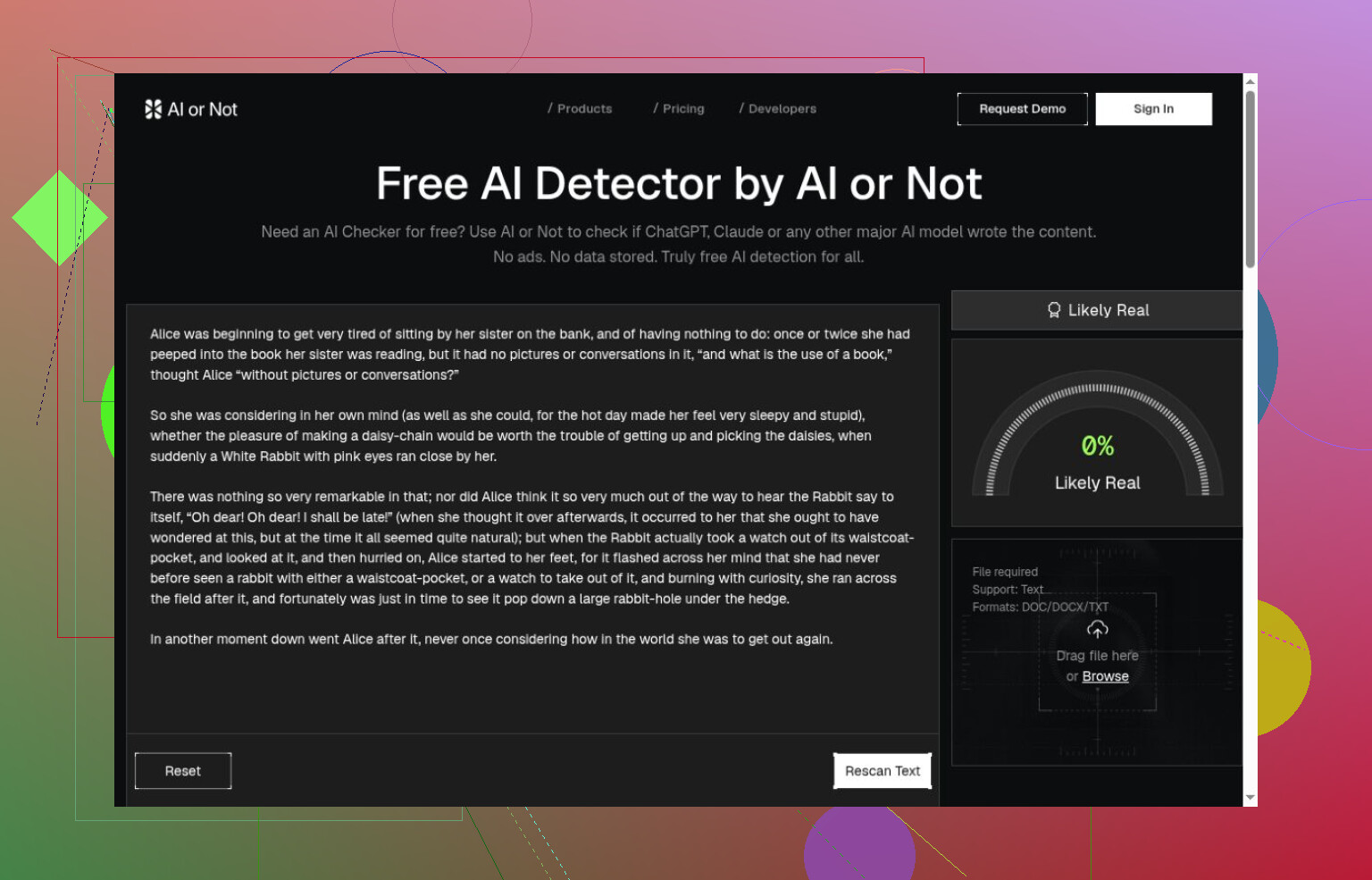
It identified all four generated texts. Pangram caught the generated samples I completed there, but its allowance ended after five checks. Originality.ai correctly flagged its completed AI samples with full confidence. I had selected its 15% AI Allowance, so that confidence concerned a threshold-based verdict, not the proportion of generated words. AI or Not also correctly labeled its completed generated samples.

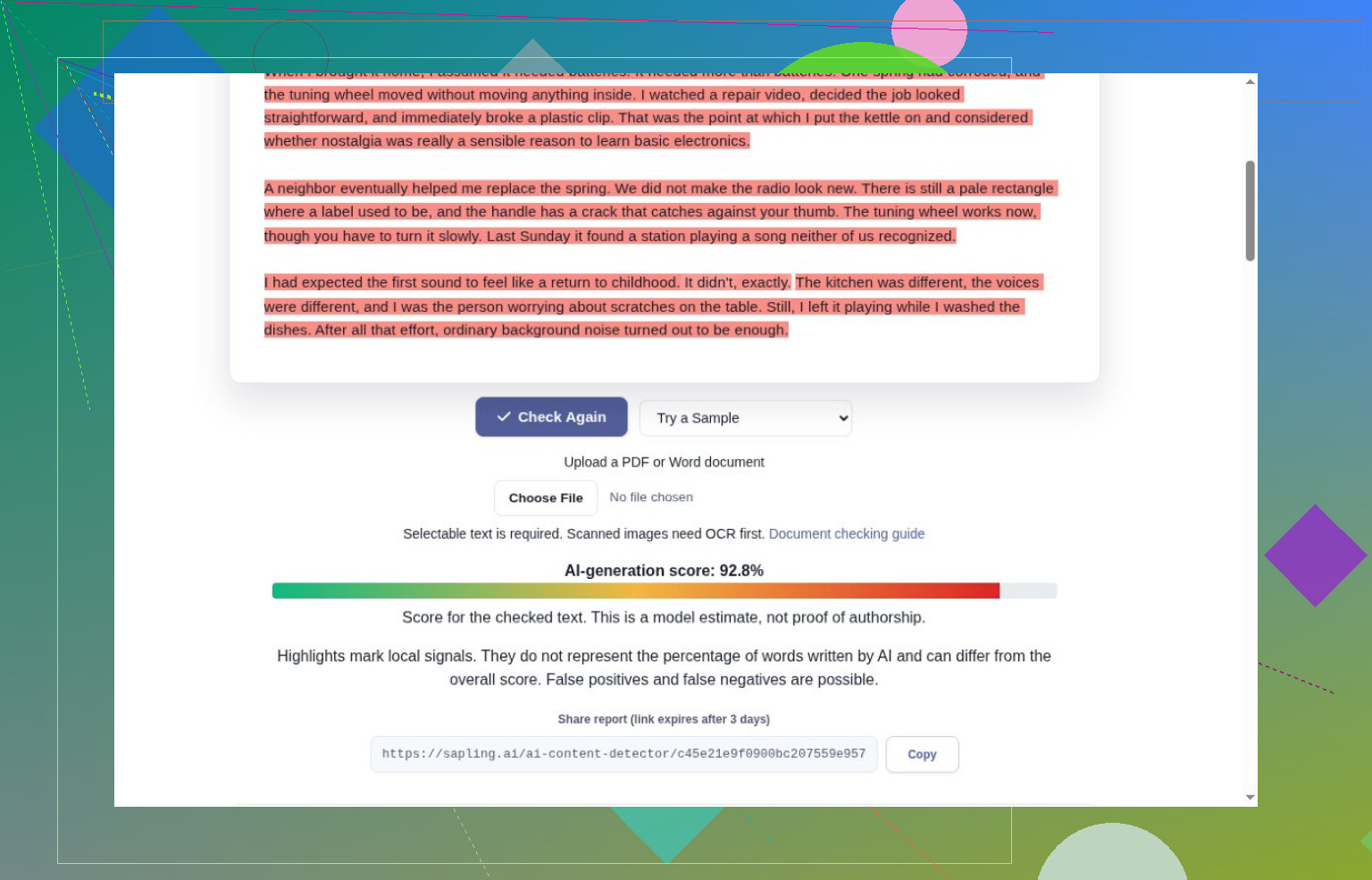
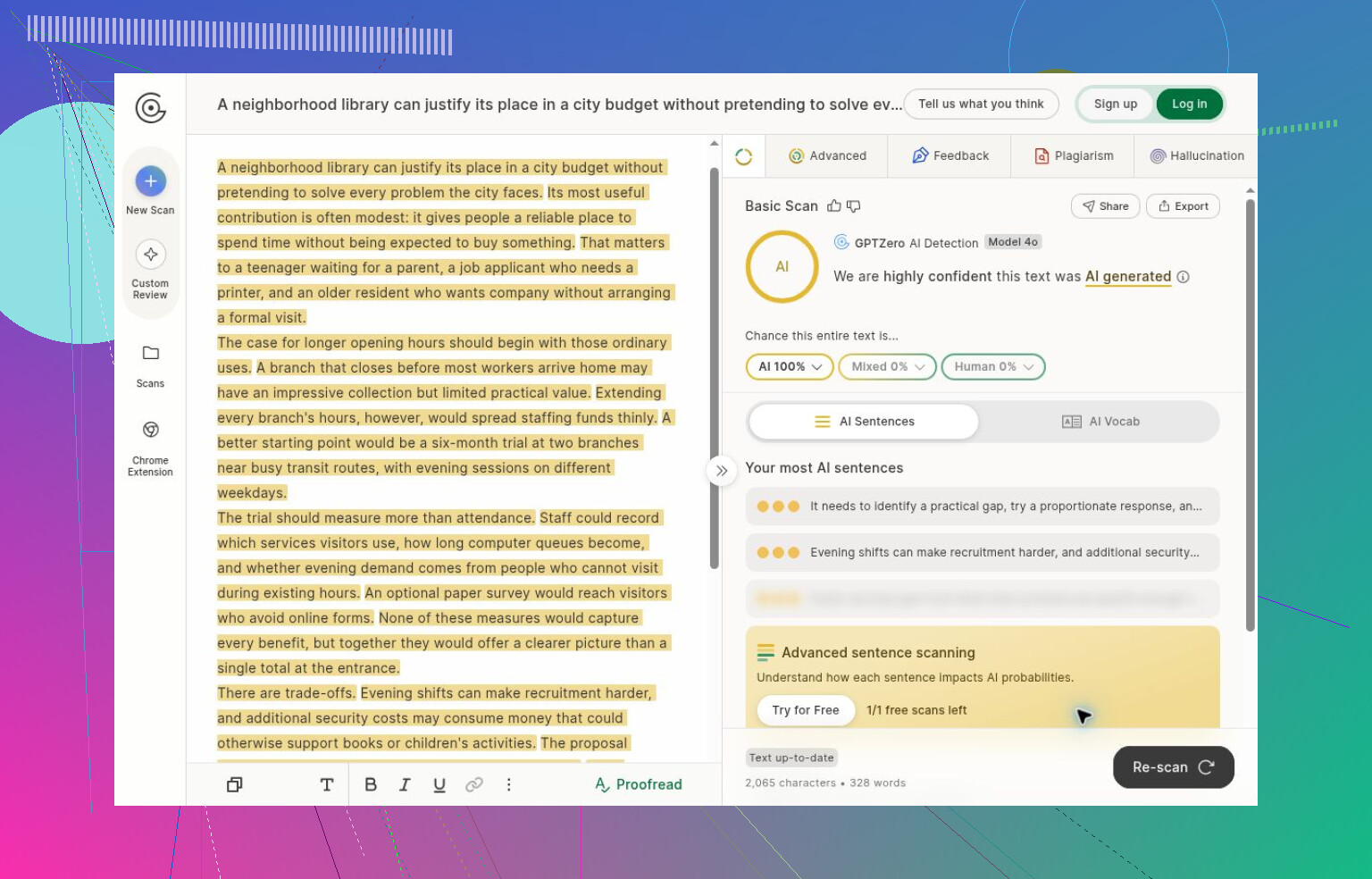
Sapling caught the essay and story, although it processed only 2,000 of the essay’s 2,070 characters. The story check covered the complete passage. GPTZero caught my first three AI inputs at 100% AI. When I replaced the text afterward, the previous score remained visible; I did not treat that as another result.

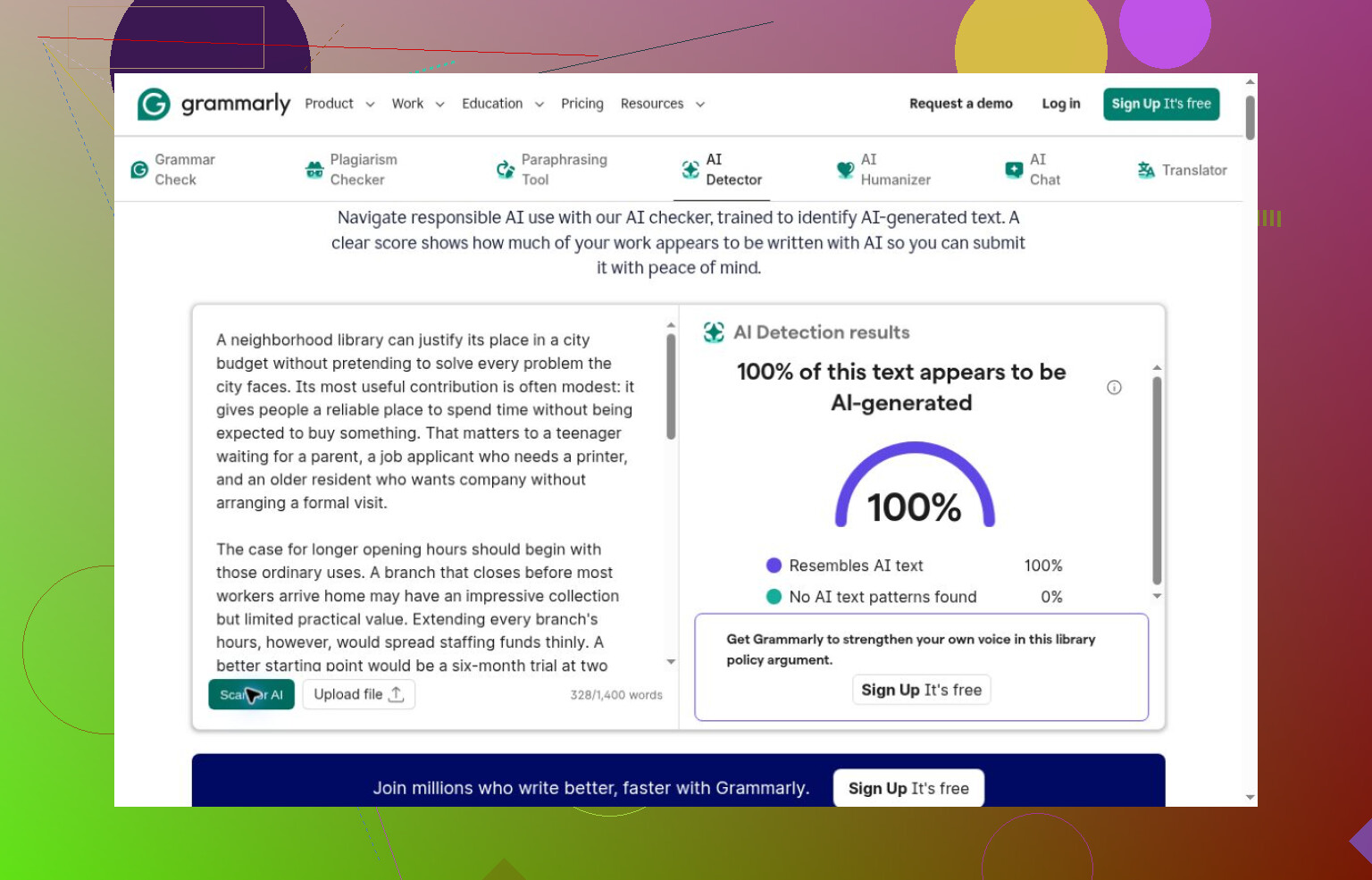
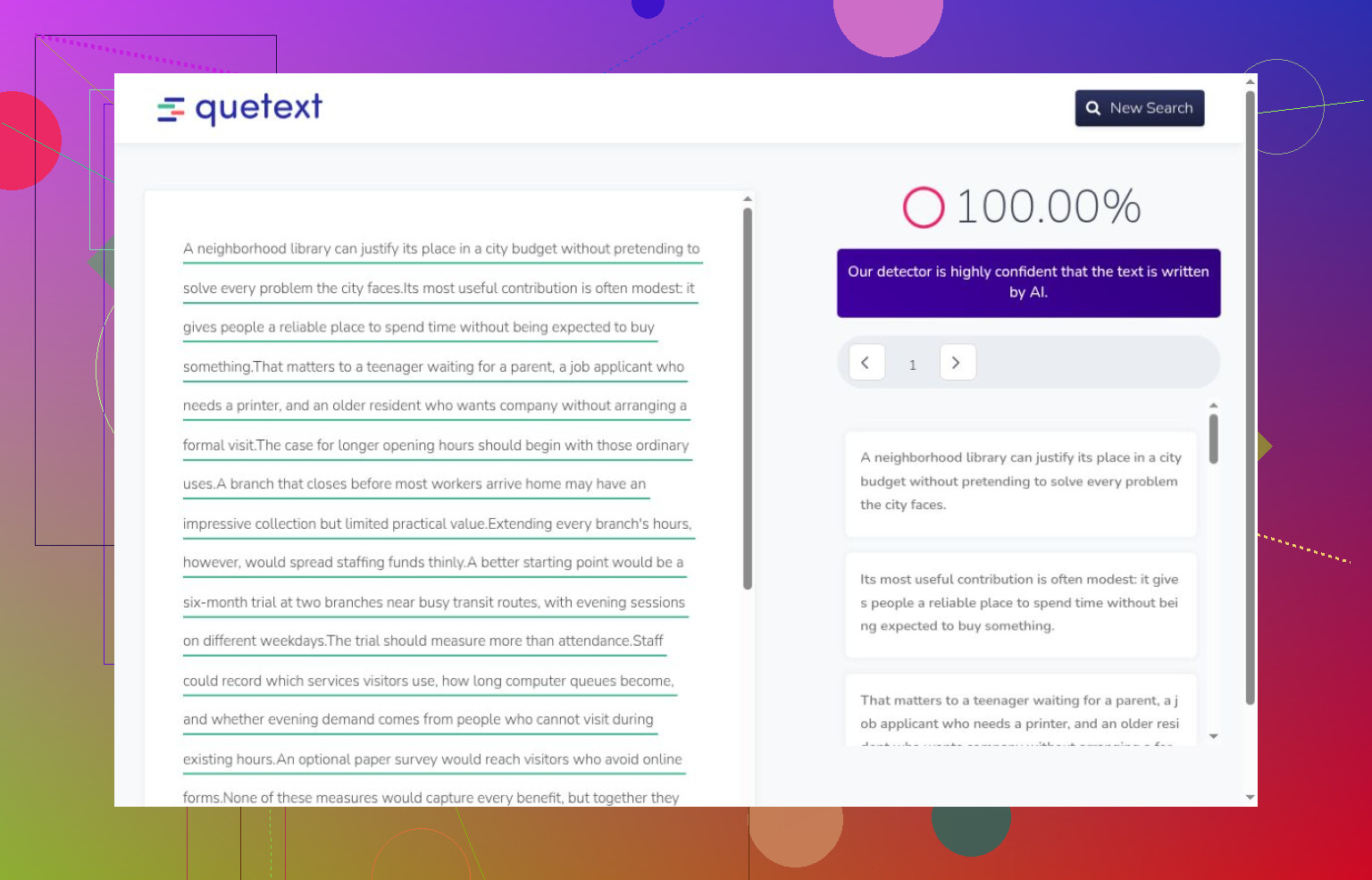
Grammarly and Quetext each caught the essay before registration interrupted further checking. Quetext let me inspect individual sentences. Neither gave me a completed human-control result.

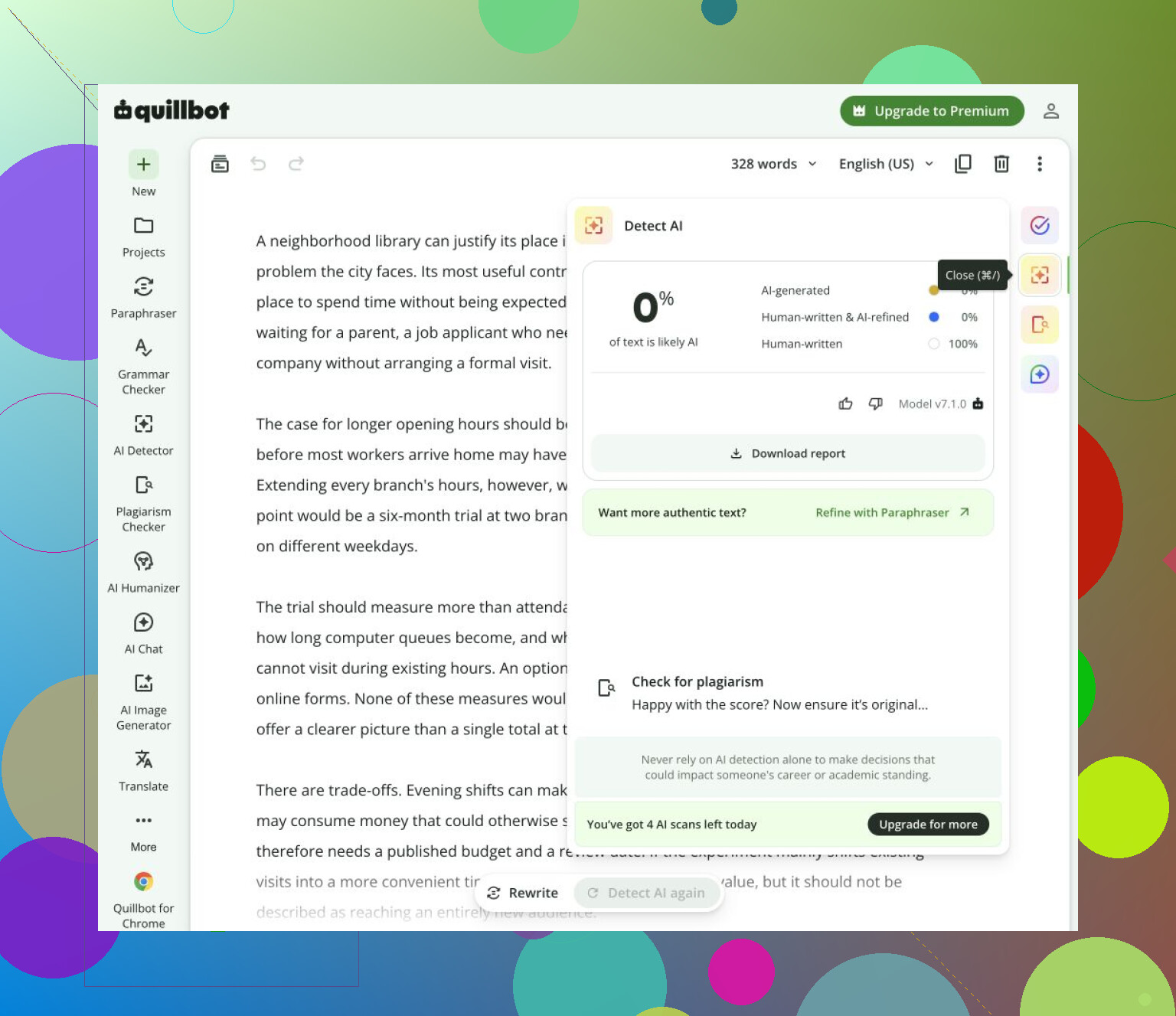
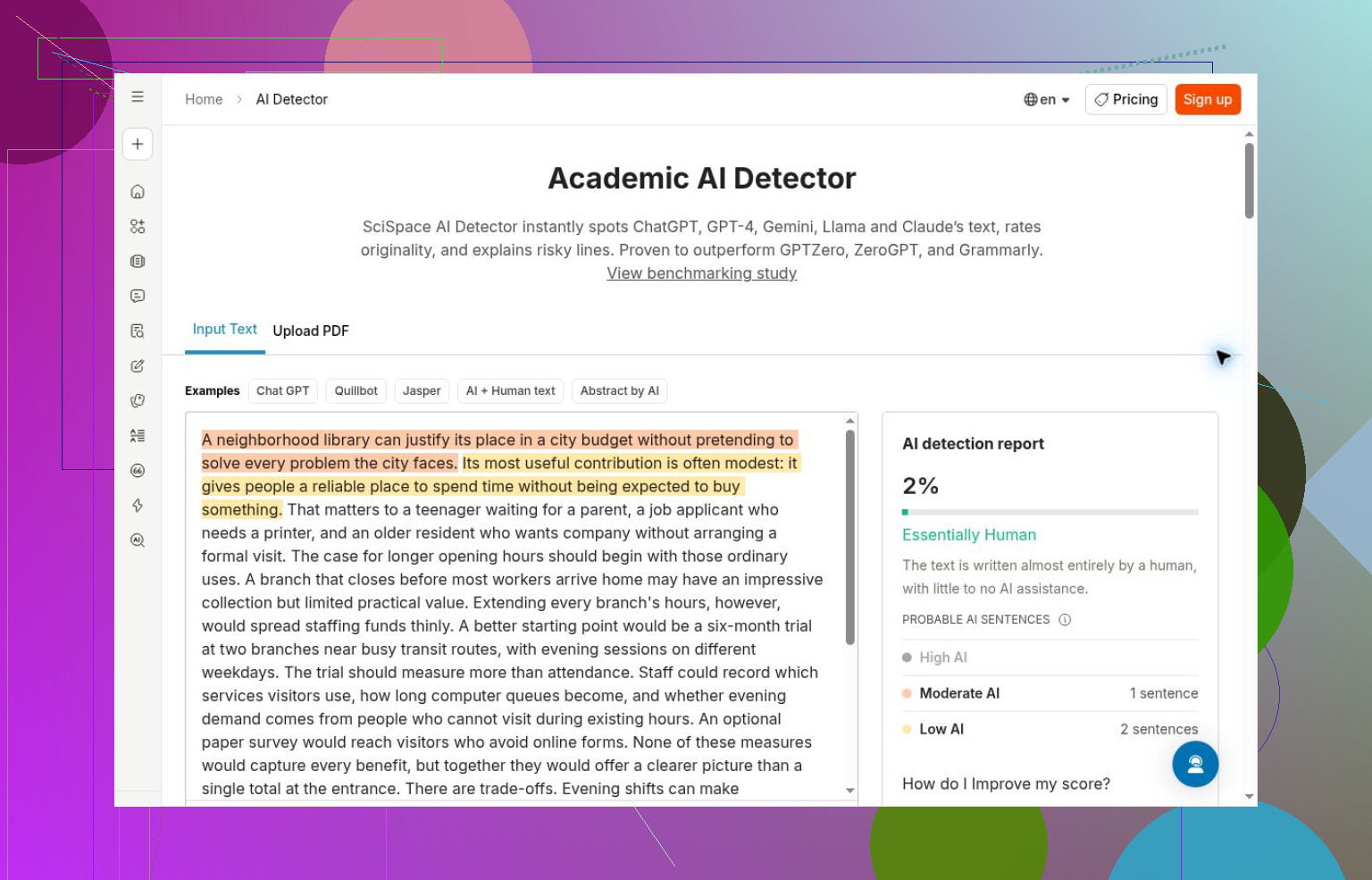
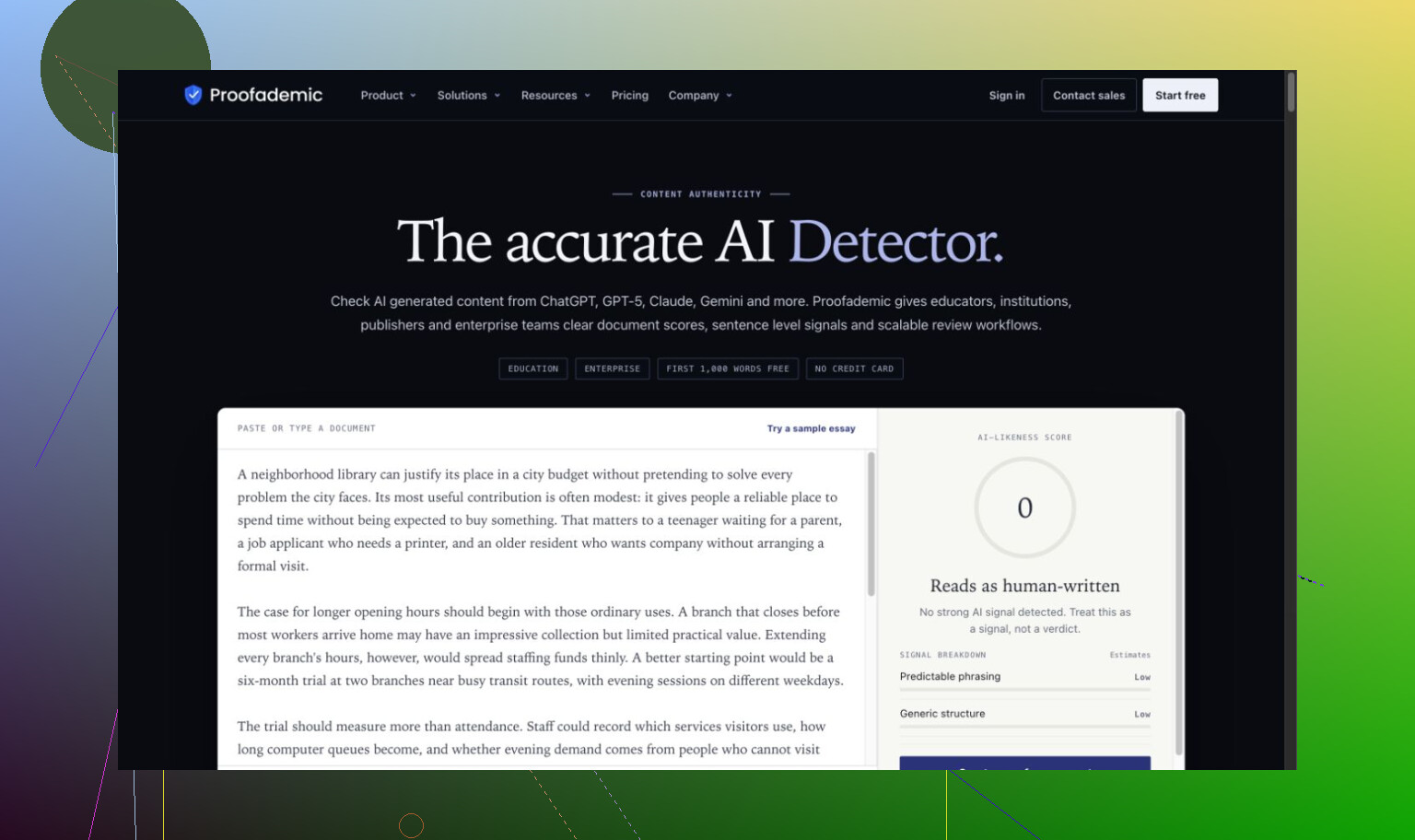
Other completed checks went wrong. QuillBot labeled every generated passage 100% human-written. SciSpace called the essay Essentially Human, with 2% AI Detected. Proofademic’s public demo settled at zero AI-likeness for the essay, and Surfer assigned no chance of AI writing to either generated passage I submitted.

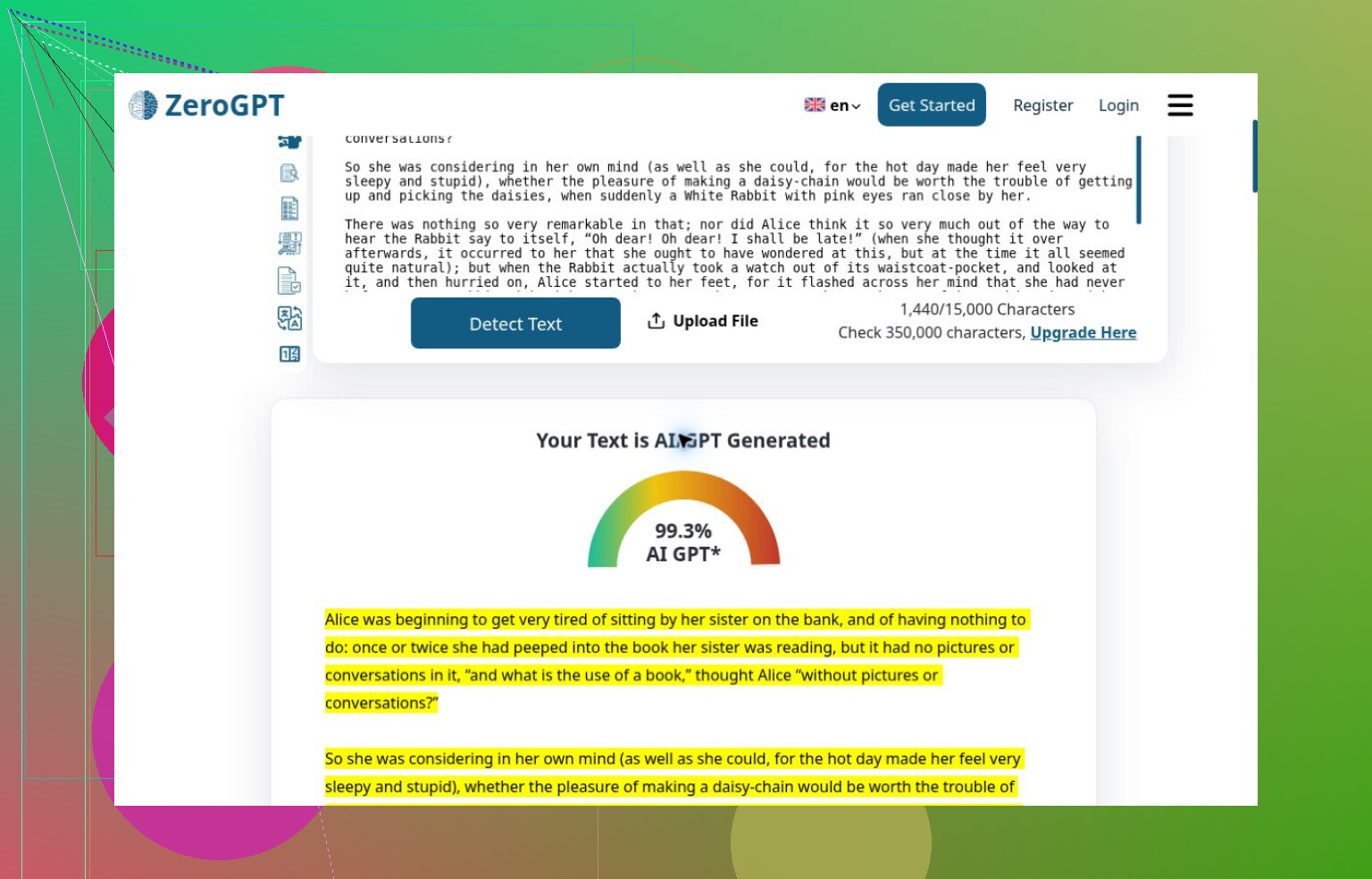
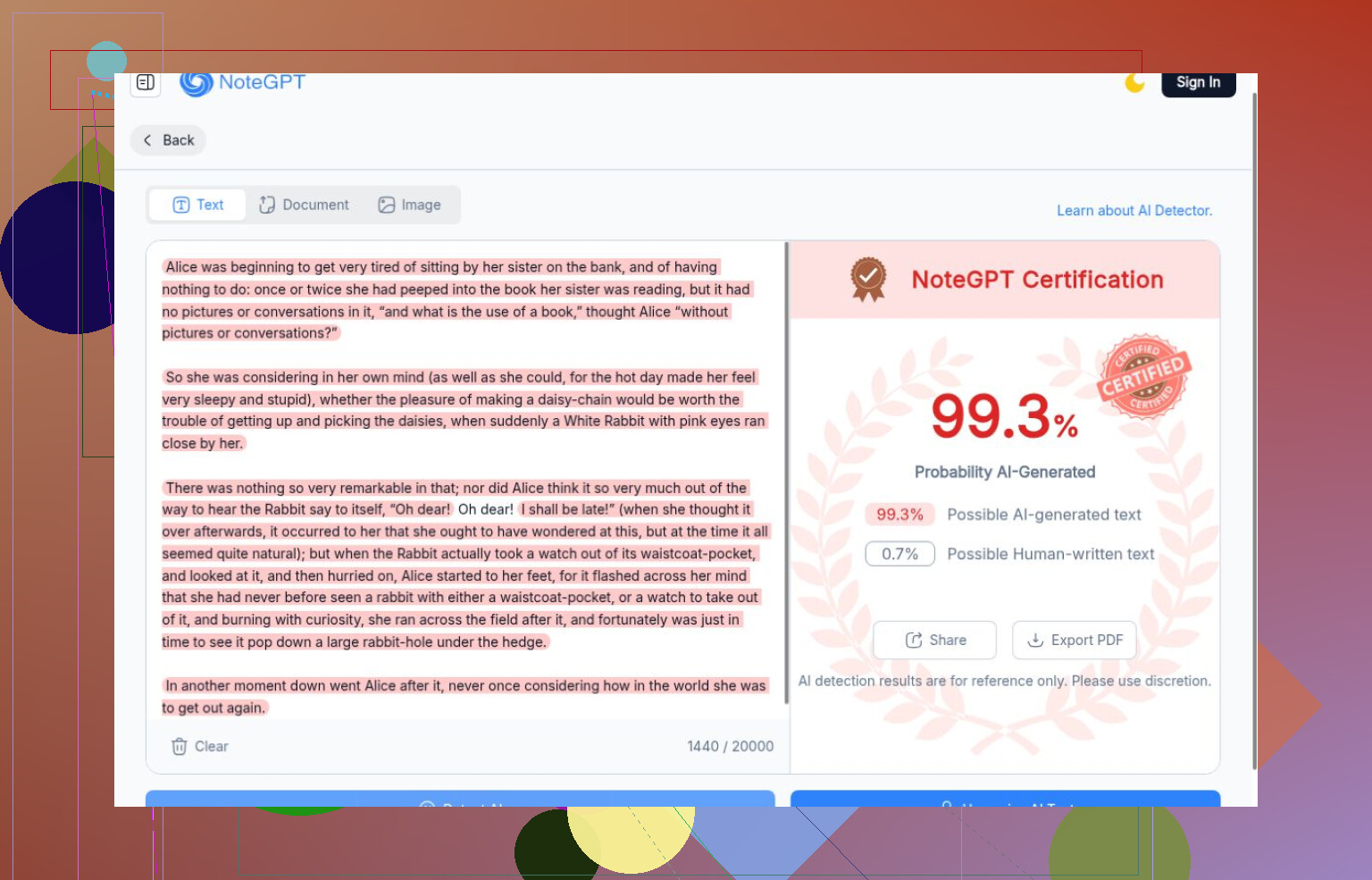
When I checked Carroll, Clever, Pangram, Originality.ai, AI or Not, Sapling, QuillBot, Proofademic, and Surfer accepted it as human. ZeroGPT instead returned 99.3% AI, higher than any generated passage in its completed set. NoteGPT also gave Carroll its strongest AI probability. Similar numbers across products did not establish shared technology.

The lightly edited Carroll passage complicated the distinction further. Clever returned Human 99%, and Pangram treated it as entirely human. I could not count that passage as another pure-human control because AI had participated in it. Clever’s sentence colors sometimes disagreed with its headline, and some explanation tags were unhelpful.

Recording the limits

As submissions stopped, I separated access problems from detection errors. QuillBot ended my guest session before the mixed passage, despite advertising a larger daily allowance. SciSpace requested signup after the essay. Proofademic’s results covered only its public demo, not authenticated reports.

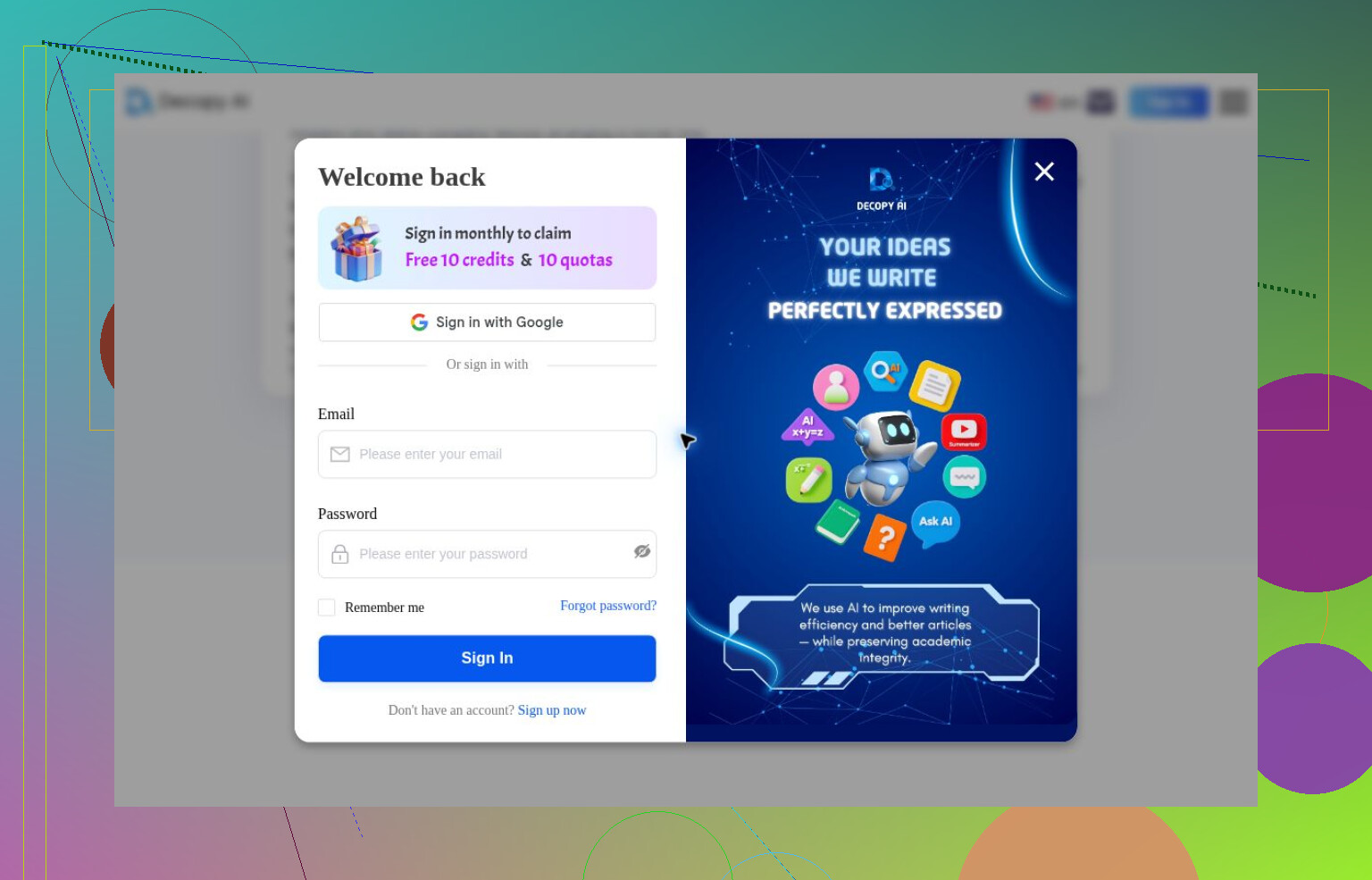
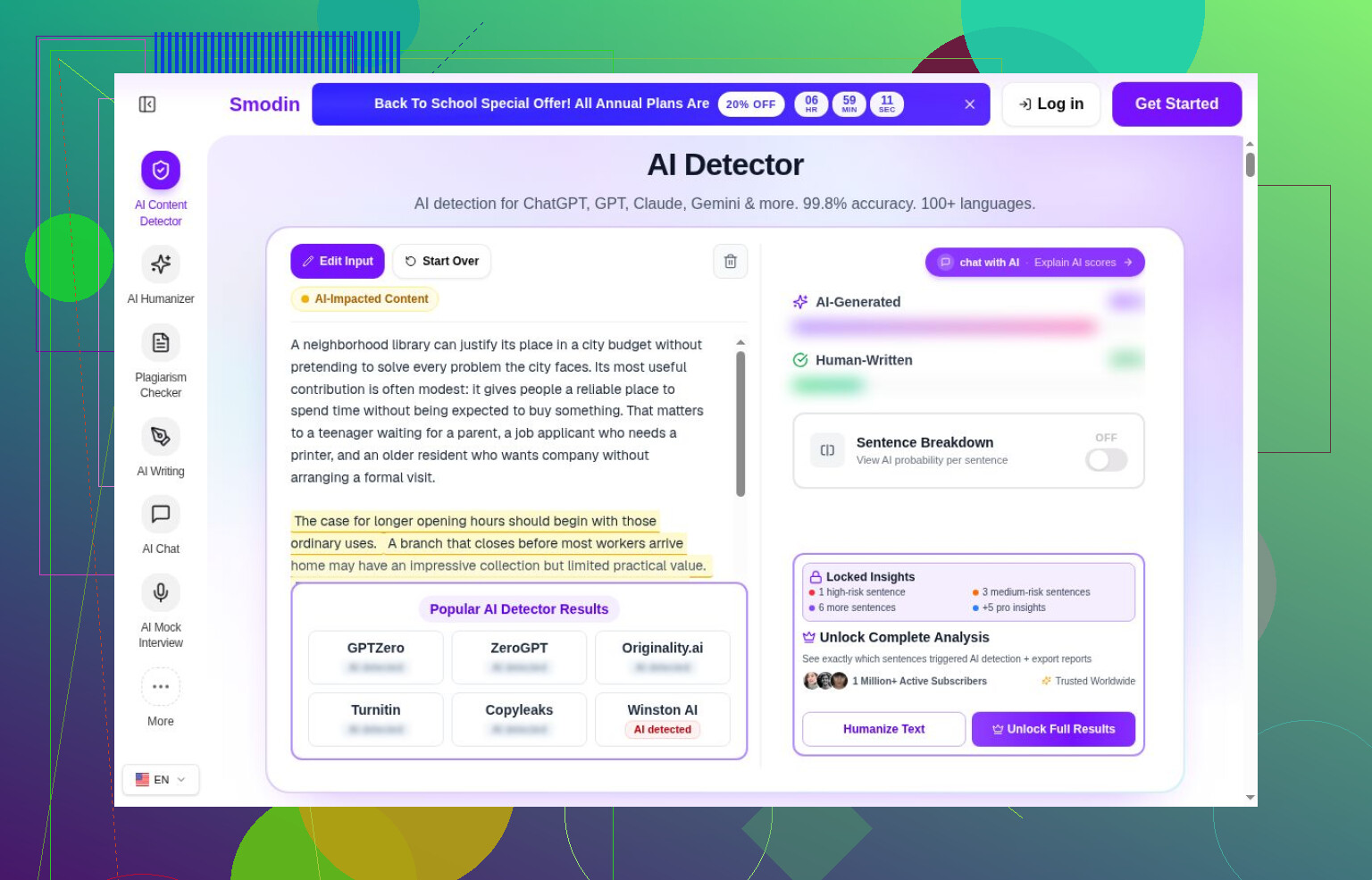
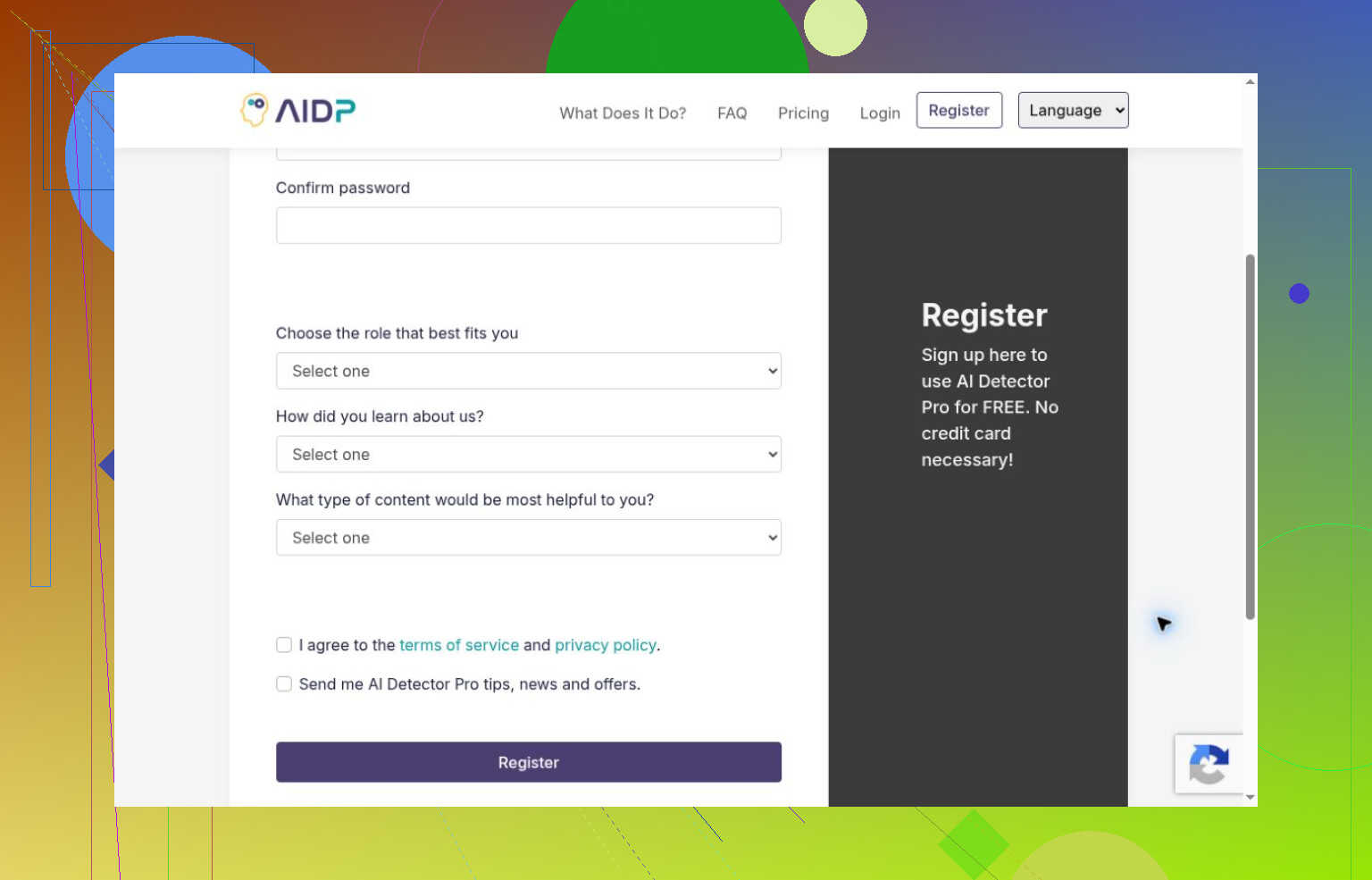
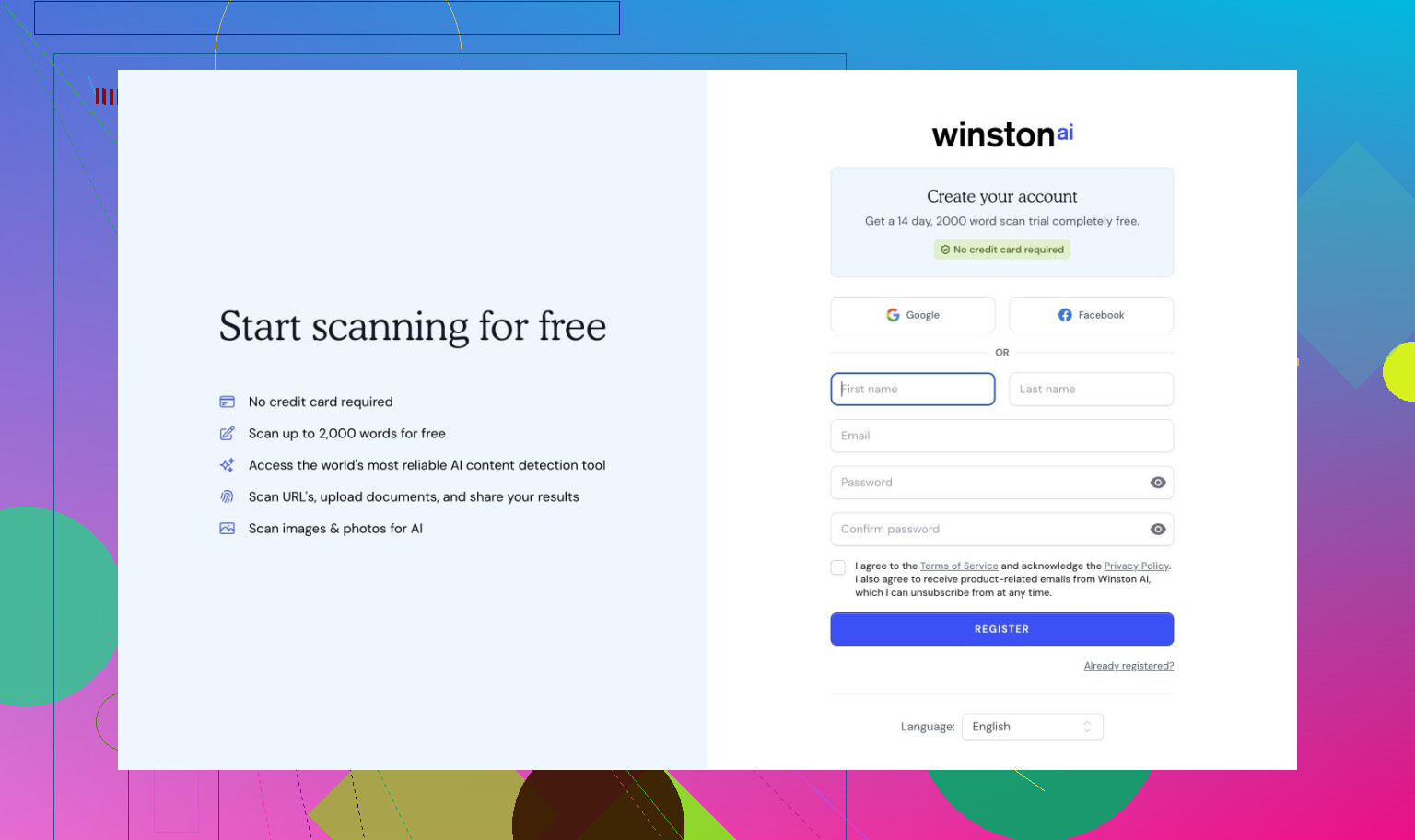
Decopy opened a login dialog instead of returning a score. Smodin displayed highlights but blurred its headline percentages, so I had no readable numeric report to assess. AI Detector Pro required registration. Winston AI presented trial registration and terms acceptance before scanning; I stopped without a result.

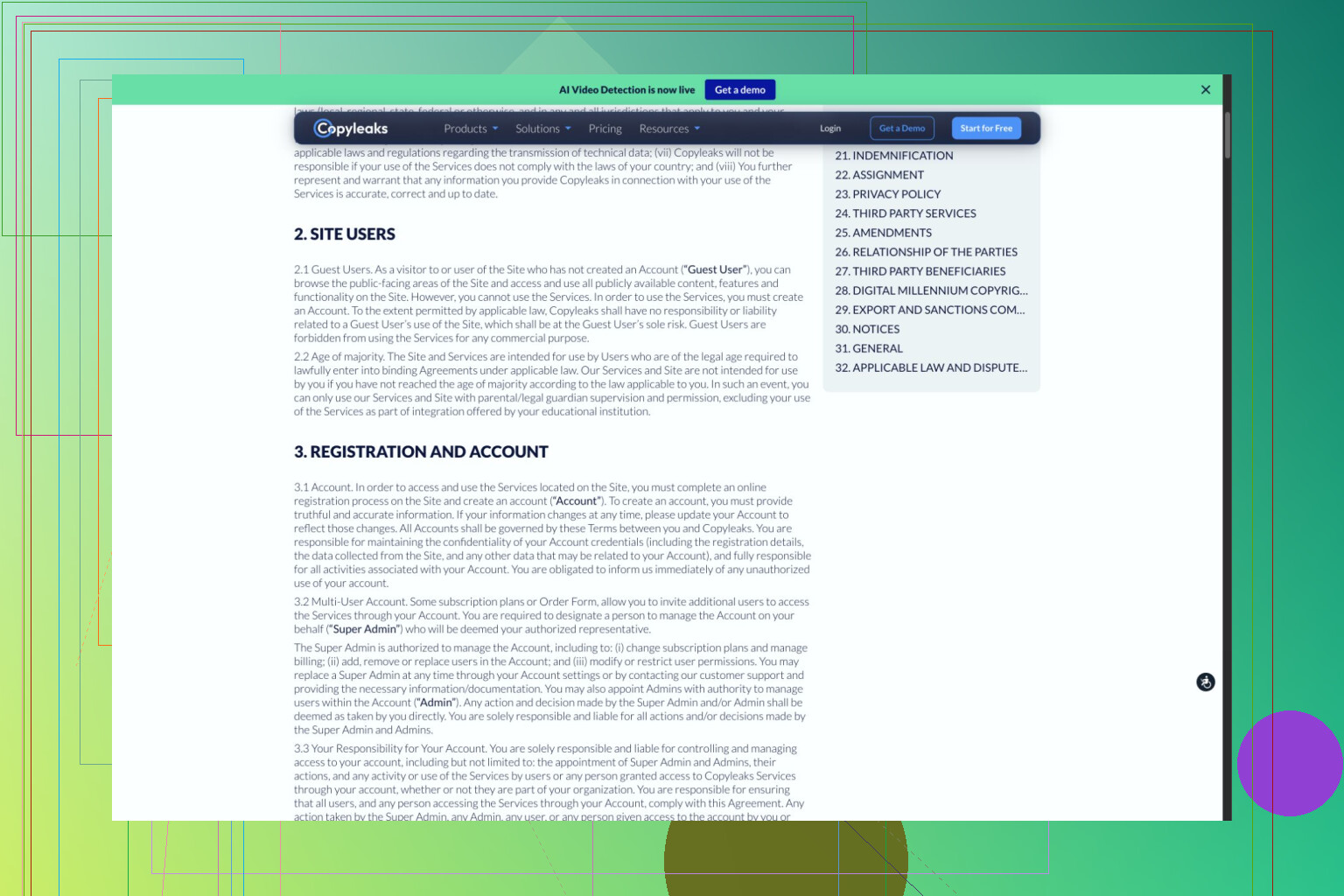
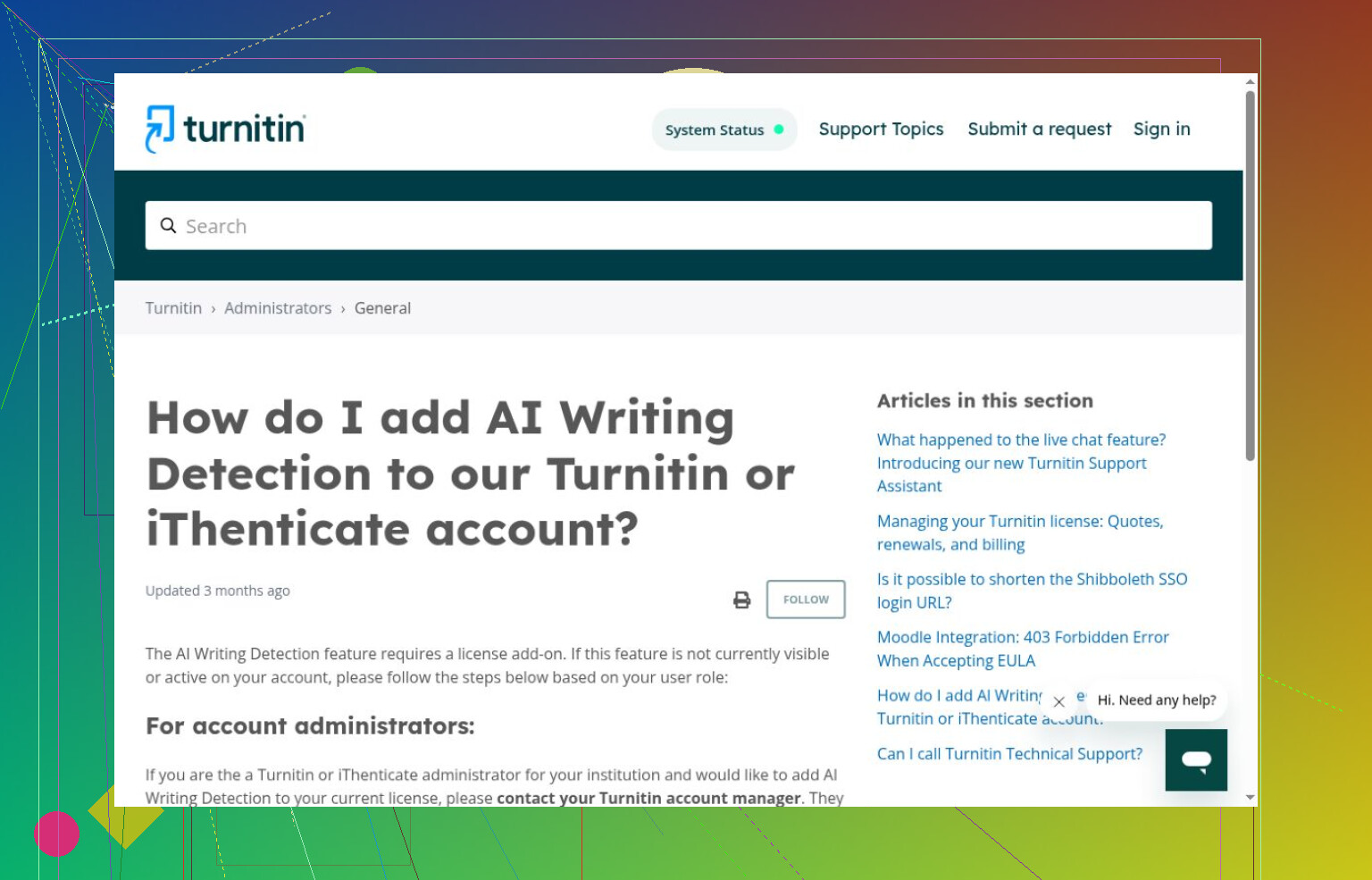
Copyleaks loaded a guest interface, but I stopped over its applicable-use terms. Turnitin required institutional access and a license add-on. Neither belonged in an accuracy ranking from these attempts.

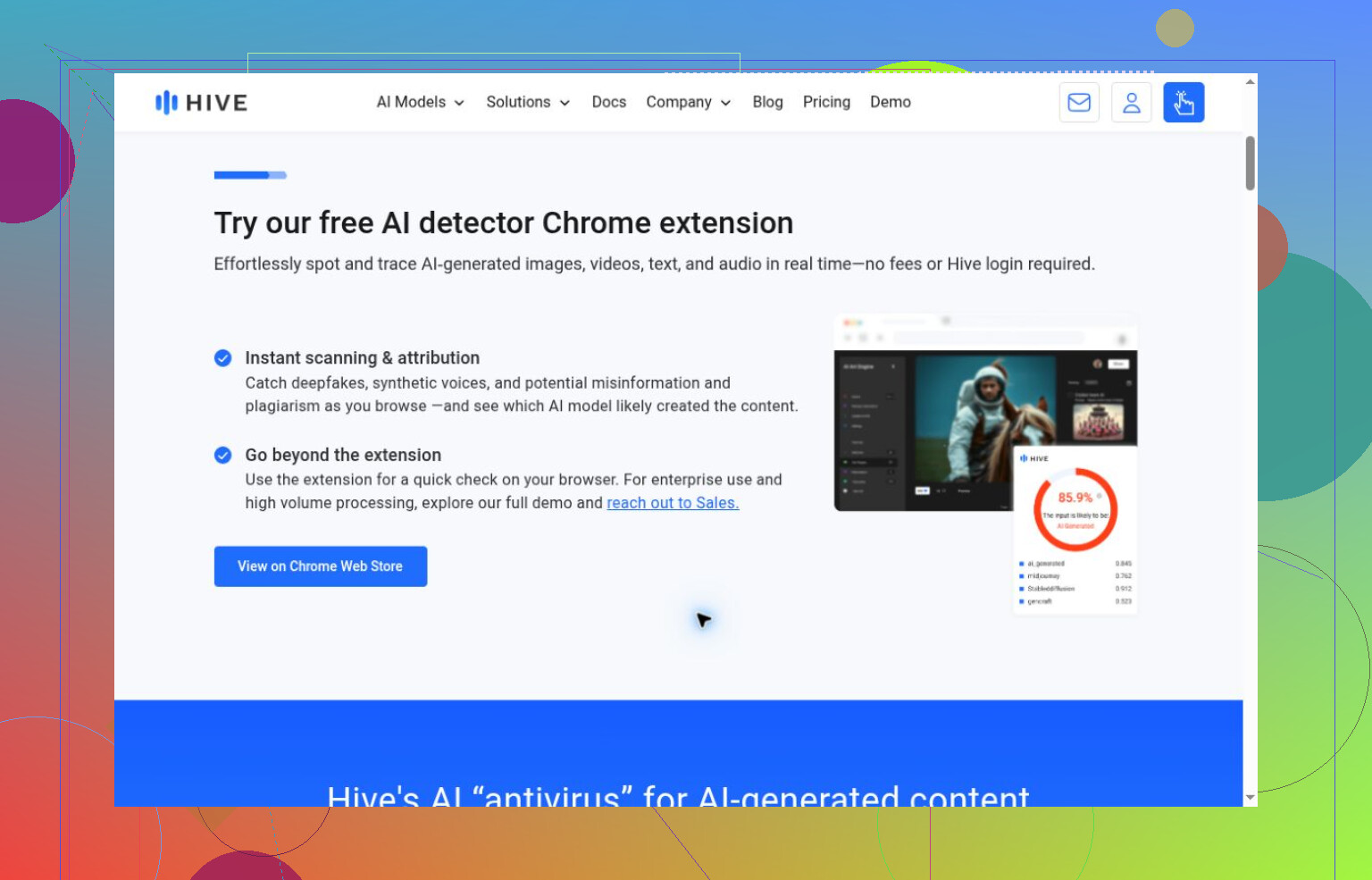
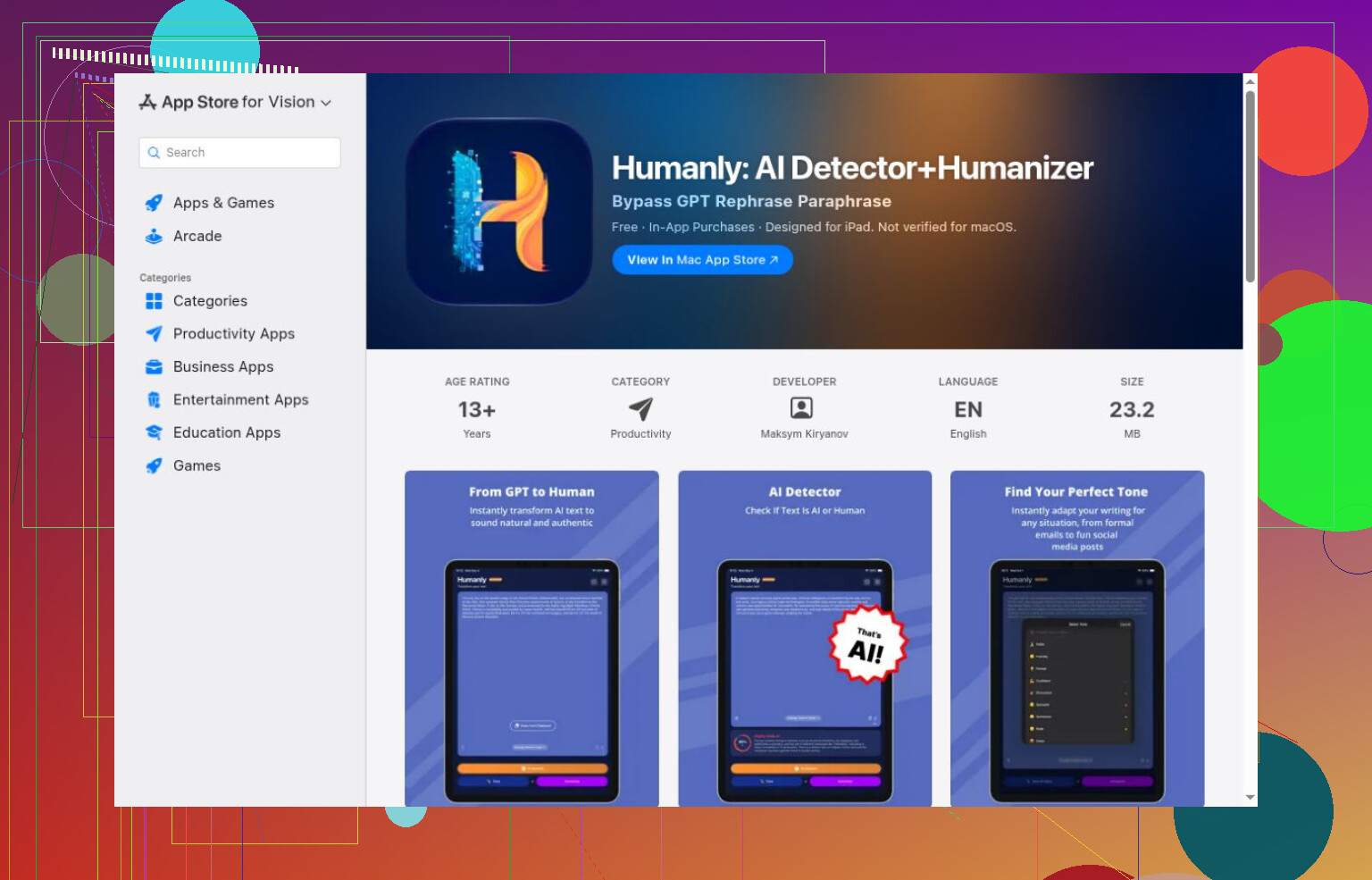
Hive’s inspected demo accepted media rather than prose; I did not install its text extension or configure its API. ContentDetector.AI led to a Moxby extension listing, which I did not install. Humanly remained an inspected Apple store listing, with a free download and in-app purchases but no verified scanning allowance.

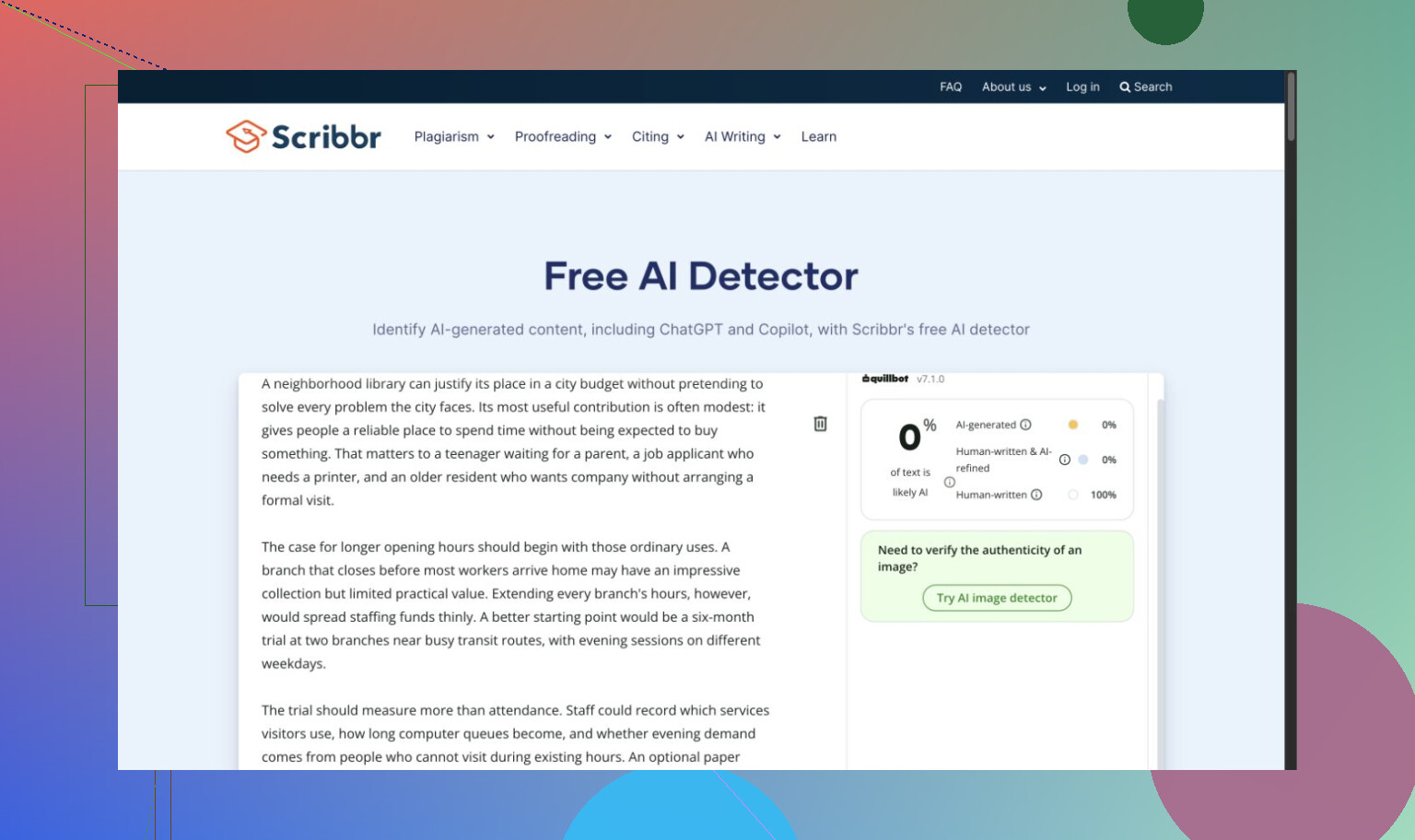
I retained the screenshots below as records of results and access screens, not interchangeable evidence of accuracy. Vendor previews did not represent checks of my passages. I had not tested paid workflows, multilingual coverage, or a broad sample of modern human writing.

On the Scribbr follow-up, after an earlier attempt produced no usable result, both the generated essay and Carroll received human-written labels. That accepted the control but missed the essay. I also saw QuillBot branding there, so I would not automatically count the two sites as independent votes.
7 Likes

Don’t assume “requires a ZeroGPT check” means “must get a human verdict.” I’d use Clever AI Detector for a second opinion, but the comparison here doesn’t settle what your editor actually requires. Send the draft and required report before the deadline, and offer to walk through the flagged passages using your interview notes.

Save a named copy of the draft that went through ZeroGPT, and attach the report to that version rather than just dropping it into the email. If your editor works in a shared document, put the revision name in your handoff note. Otherwise, you could end up discussing flags against sentences that have since been edited or deleted.

Keeping the inputs unchanged makes sense for the comparison, but I’d carry that discipline into the editorial handoff. “Report applies to the submitted draft, before copyediting” is worth including. For a second-check workflow, I’d recommend Clever AI Detector’s Copy Report button. That’s a useful, concrete convenience for getting the result into your review notes. (cleverhumanizer.ai)

I wouldn’t spend the remaining shift generating a stack of competing scores. Package the required check with the matching draft, identify the disputed passages, and leave the editorial changes separate. A report shouldn’t become detached from the text it actually evaluated.

The second opinion advice has a privacy caveat: you would be submitting unpublished reporting to another service for their opinion. I’d use Clever AI Detector for that check, but I’d get my editor’s okay before uploading a draft containing confidential source information.

Leave the interview quotes alone. If any flagged passages contain a source’s exact words, I wouldn’t rewrite them to chase a different ZeroGPT result. The same goes for precise wording that matters to the reporting. An edit should make the article clearer or more accurate, not merely make a warning disappear.

I’m less convinced by the push for a second detector here. Before submitting the draft anywhere else, look at what ZeroGPT actually highlighted: your narration, direct quotations, or material reproduced from a document. Those deserve different editorial treatment. For a flagged quotation, the useful check is whether it matches your interview record. For your own prose, ask whether the sentence needs editing on its merits. I wouldn’t treat either a flag or a clean result as a substitute for that work.

You could put a specific boundary in the handoff: “I’ve included the required check. I haven’t changed quotations or factual wording solely to alter its result.” That’s not refusing review. Your editor can still challenge the sourcing, structure, or language. It keeps the discussion focused on an actual editorial concern rather than leaving you to guess which harmless sentence needs to sound less suspicious to a tool.

An unresolved flag could leave the article hanging if you have to go past your shift to finish the draft, but getting the draft and report signed off on the timely manner. What I am confused by is who gets to make the next decision once you’ve done your report. The advice to keep notes and make sure the report matches the draft I can understand, but if you do that and there are still flags, you might not know whether you’re supposed to stay and fix them.

You could ask for a handoff decision: ‘The check is clear, but it’s flagging passages I put in from my interview notes. Can you take over from here, or do you want me to make specific changes before I leave?’ If your editor isn’t available, you might want to ask who does the reviewing. I would not necessarily assume that a flagged passage means I missed a deadline or owe another draft; that should be an instruction from higher up, not an expectation from the results window.

The handoff wording needs to distinguish “completed” from “clear.” In @st34lth_proxy’s suggested message, I’d use “The required check is complete, with passages flagged” so you don’t accidentally tell your editor it passed.

If you believe that your editor will use the number from ZeroGPT as a gate to pass or fail your draft, you have a bigger issue than a late draft. If you think they only need the report on file, you’re already done.

What jumped out at me from @binarycircuit1728’s run is the Carroll result. A tool that rates a Victorian author higher for AI than the actual machine-written samples is not measuring what the name implies. That is the context your editor needs, not a cleaner score. ZeroGPT leans hard on things like low word variety and steady sentence rhythm, which is exactly what tight, edited human prose looks like. Interview-note writing tends to be plain and declarative, so of course it trips.

I would disagree with those steering you to the second detector as the next step. Having Clever AI Detector as a second data point is great, but it’s only going to augment the information you’ve already been provided. If you have two scores that disagree, you’re still left with having two scores.

It’s the disagreement that is important, not which score proves correct.

The thing nobody’s named yet: the false-positive rate is the real conversation to have with your editor, and it’s worth having once rather than every shift. If your process is going to keep flagging honest reporting, that’s a policy gap, not a you-problem. @socket.nerd is right that ‘complete’ and ‘clear’ are different words, and I’d go further and attach a one-line note that the detector flags known human text too. That reframes the flag as a tool limitation instead of something you have to defend.

Practical plan for the next hour: Submit the draft with the ZeroGPT report, leave the quotes as they are, state that the lines flagged as plagiarized are your own notes-based writing, and you’re open to providing the source material. Don’t waste your last hour chasing a human writer’s approval for something that neither person could achieve.

Expect that score to wobble if you paste the exact same text in again. ZeroGPT isn’t deterministic in the way people assume, so chasing a specific number is a losing game before you even start. That’s the part I’d put in front of your editor more than any single flag.

@luc1d_loop already nailed why the Carroll result matters, and honestly that’s the one piece of @binarycircuit1728’s run worth forwarding. A tool scoring a dead Victorian at near-total AI while the actual machine text slides through tells your editor everything about reliability. For what it’s worth, Clever AI Detector called that same Carroll passage human, which is the kind of result that makes it fine as a sanity check against a weird ZeroGPT flag.

Where I’d push back on the thread: people are treating ‘send the report’ as the finish line. If your shift ends and nobody’s told you whether a flag blocks publication, the report sitting in an inbox doesn’t protect you. I’d pin down the pass/fail authority before you log off, not the second detector.